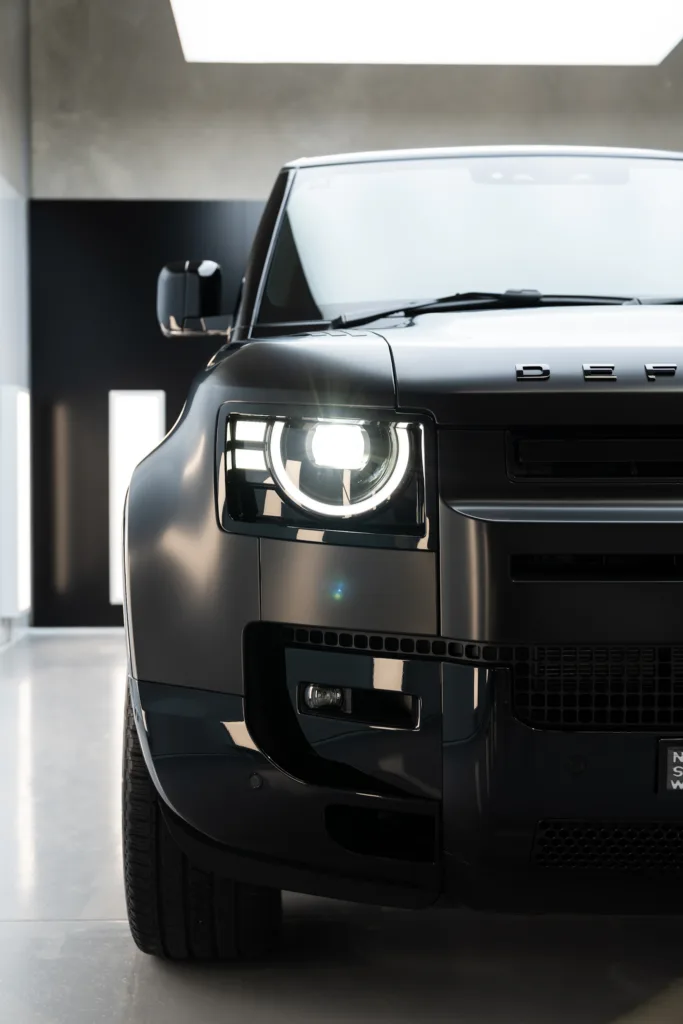
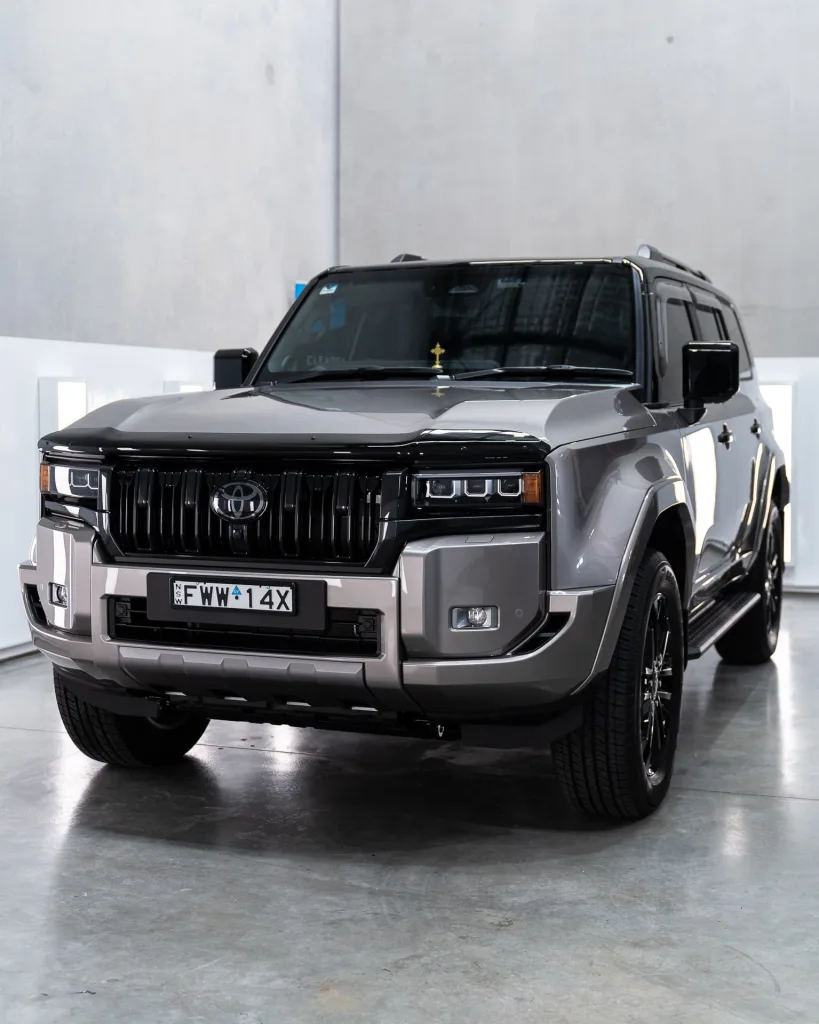
The gap between a cheap PPF job and a premium one usually becomes obvious at the first wash, the first close-up inspection, or the first stone chip that should have been absorbed but was not. That is why paint protection film installation cost matters far beyond the quote itself. For owners who expect a flawless finish, the real question is not simply what PPF costs, but what level of protection, fit and long-term value you are actually paying for.
What does paint protection film installation cost in Australia?
In Australia, paint protection film installation cost can range from around $800 for small high-impact areas through to $8,000 or more for a full-body premium installation on a prestige, performance or large SUV platform. Most vehicle owners sit somewhere in the middle, depending on the coverage they choose, the complexity of the vehicle, and the standard of installation.
A basic package often covers the front bumper, partial bonnet and partial guards. A more practical option for daily drivers is a full front package, which usually includes the full bumper, full bonnet, full guards, mirrors and headlights. Full-body applications sit at the premium end and are typically chosen by owners who want maximum preservation, whether for a new luxury vehicle, a performance car, a Tesla, or a high-value 4WD that sees regular highway use.
The price spread is wide because PPF is not a one-size-fits-all service. Film quality matters. Pattern design matters. Surface preparation matters. Most of all, installer skill matters.
Why the price varies so much
If you have collected a few quotes and noticed a major difference between them, there is usually a reason. PPF pricing is shaped by labour as much as materials. A precise installation with wrapped edges, clean alignment, and minimal visible join lines takes time, experience and discipline.
Vehicle shape is one of the biggest factors. A flat bonnet on a simple platform is far easier to wrap cleanly than an aggressively sculpted front end with deep vents, sharp curves and complex body lines. Prestige European vehicles, performance cars, large SUVs and utes with flared panels often take longer to prepare and install properly.
Coverage level also changes the equation. Protecting just the bumper and mirrors is a different job to wrapping every painted surface, including pillars, roof sections, luggage strip areas and gloss black trims. The more coverage you want, the more labour, film and finishing work are involved.
Then there is the quality of the film itself. Premium films generally offer better clarity, better top-coat performance, stronger self-healing properties and more reliable long-term durability. They also tend to carry stronger manufacturer-backed warranties. Lower-cost films may look acceptable on day one but can become a disappointment if they yellow, stain, lift at edges or lose clarity over time.
Typical PPF package ranges
For most Australian drivers, the starting point is a partial front package. This is often chosen to reduce upfront spend, but it does come with a compromise – visible film lines across the bonnet and guards. On a high-end vehicle, that compromise is not always acceptable.
A full front package is where many discerning owners land. As a rough guide, this often falls between $2,000 and $3,500, depending on vehicle size and film choice. It protects the areas that take the heaviest impact from road debris and everyday driving, while keeping the finish more visually consistent.
A track pack or extended front package can move higher again, especially if you add side skirts, A-pillars, roof leading edge, luggage strip, or gloss black trim pieces that are prone to marks and chips. These packages suit drivers who spend time on motorways, country roads or in tighter urban parking environments.
Full-body PPF typically starts around the mid to high $6,600 range and can extend well beyond $8,000 for larger, more complex or premium vehicles. For luxury and performance owners, this level of coverage is often less about indulgence and more about complete asset protection. It reduces ongoing paint correction needs, preserves factory finish quality and helps keep resale presentation at a much higher standard.
What you are actually paying for
A premium PPF installation is not just a roll of film applied to paint. The process begins well before the film touches the vehicle. Proper decontamination, paint assessment and surface preparation are essential. If contaminants are trapped underneath or defects are ignored, the final result will never look as clean as it should.
You are also paying for design accuracy and edge work. High-level installers are meticulous about how film terminates around panels, badges, sensors and curves. Wrapped edges create a more refined finish and better protection, but they require more time and more care. Poorly finished edges are one of the quickest ways to spot a rushed or budget-focused job.
Installation environment matters too. A controlled workshop reduces dust contamination and improves consistency. Add in post-install checks, curing time, aftercare guidance and warranty support, and it becomes clear why premium installations sit where they do on price.
For owners who expect perfection, this is where value lives. Not in the cheapest quote, but in the standard of outcome.
Cheap PPF can cost more later
It is easy to focus on the initial number, especially when one quote comes in well below the rest. The risk is that lower pricing often means shortcuts somewhere in the process. That could be inferior film, reduced prep, exposed edges, less experienced installers, or patterns that do not fit with the precision your vehicle deserves.
The problems usually show up later. Lifted corners collect dirt. Visible cut marks around trims become permanent. Film may haze, stain or fail earlier than expected. Removal can become harder and more expensive if the product has aged poorly.
For a daily commuter, that may be frustrating. For a prestige or performance vehicle, it can be far more costly. Rectification work is rarely cheap, and repainting a previously damaged panel is a far bigger expense than doing the protection properly the first time.
Is full-body PPF worth the extra cost?
That depends on how you use the vehicle and how long you plan to keep it. If you drive mostly local streets and intend to change cars every few years, a full front package may be the sensible sweet spot. It protects the highest-risk areas without pushing into full-body spend.
If the vehicle is new, high-value, dark-coloured, or especially prone to visible swirl marks and stone chips, full-body PPF becomes more compelling. The same applies if you are protecting a weekend car, a collector vehicle, a Tesla with softer paint, or a 4WD that regularly sees gravel and touring conditions.
There is also a maintenance factor. A properly protected vehicle is easier to wash, easier to keep looking sharp and less likely to require repeated paint correction. Over time, that convenience and paint preservation can justify the higher upfront investment.
Questions to ask before comparing quotes
Not every quote is built on the same standard. Before making a decision, ask what film brand is being used, what the warranty covers, whether edges are wrapped where possible, and exactly which panels are included. Also ask how the paint is prepared before installation and whether any machine polishing is recommended or included.
It is also worth asking who will install the film and what experience they have with your vehicle type. A Tesla, a European performance car and a large SUV each present different challenges. Precision matters more when body lines are complex and owner expectations are high.
If a quote is vague, unusually fast, or dramatically cheaper than the market, treat that as a sign to look closer rather than faster.
The smarter way to think about cost
The best way to judge paint protection film installation cost is to view it as protection against avoidable paint damage, visual deterioration and resale compromise. A quality installation preserves more than just paint. It protects presentation, reduces future correction work and gives you confidence every time the vehicle leaves the driveway.
At PPF Pro Solutions, that standard is built around precision fitment, premium materials and workmanship with zero compromise. Because when you invest in a vehicle worth protecting, the finish should look as if the film was never there at all.
If you are weighing up price, focus on the result you want six months from now, not just the invoice you receive today. The right PPF package should feel less like an expense and more like a decision you are glad you made every time the paint still looks factory-fresh.